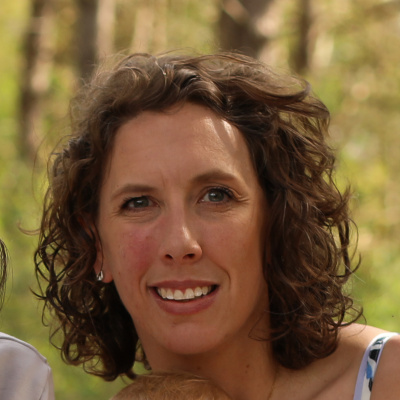
Jeanette Carter - Diagnostic Radiographer
 What stage of your research career are you currently at, and what are your research interests?
After completing my MSc programme and dissertation I have taken a break in my research career to have my two children. Now as part of my role as Professional officer at the Society and College of radiographers I help mentor and support members with their research whilst also using the skills that I learnt on other projects.
How did you get into research?
For my undergraduate training to complete my BSc(hons) Diagnostics radiography I completed a project dissertation. Then once working in clinical practice I undertook a research and methodology MSc programme and went on from there to complete my master’s with the support from the trust that I worked at.
What do you enjoy about research?
I enjoy questioning the known. I like the problem-solving element and the potential to prove or improve something for the better, which as a diagnostic radiographer can help both staff and patients care, the goal as part of the job role.
What challenges do you face as a researcher?
The biggest challenge that I feel a lot of researchers face in the clinical setting is time and maintaining a work life balance.
What difference has your research training and experience made to your career?
Research training and experience lead me to progress further in my career. Pre: undertaking my master’s I had aimed to be an advanced practice radiographer and nothing more. Since undertaking my master’s, it branched my knowledge and skills to firstly become a Consultant Radiographer at my previous place of work. Then furthering my knowledge and skills through this role to enable myself to apply for my current role as professional officer for clinical imaging, AI/assertive technologies, digital and research for the Society and College of Radiographers.
What do you think is the greatest misconception about clinical academia?
I feel most people feel that clinical academia is a single, linear career however in reality it is very diverse, fragmented and usually far from linear. Usually trying to also balance clinical work, with personal life and research.
How has research changed your clinical practice?
My knowledge of research strengthened my confidence in clinical decision-making. It allows me to question old practices and potential new up-and-coming practices, reviewing the evidence base and using my knowledge of critical thinking to question if something is best practice.
What has made a difference to progressing your research career?
Finding the right mentors and collaborators is key to successful research, including extending your networking parameters. Within my role at the SoR I am one of the officers who sits on the Research Advisory Group and feel there is great value in connecting with other researchers, sharing and supporting ideas as a team.
Where do you see your clinical academic career going over the next few years?
In my new role I am no longer in clinical practice but will be using my skills to help mentor and support members in the SCoR as a professional officer.
Jeanette Carter, Professional Officer Clinical Imaging, AI, Assistive & Digital Technologies, with Research, The Society and College of Radiographers, JeanetteC@sor.org